
Fly Synthesis: three decades of carbon-fiber ultralights from Friuli
Fly Synthesis is an Italian manufacturer of ultralight and light-sport aircraft based in Mortegliano, in the Friuli-Venezia Giulia region near Udine. Active since 1991, the company built its reputation on a simple idea: a small aircraft does not have to feel small. Every Fly Synthesis design is engineered around wide cabins, panoramic visibility and low cockpit noise — comfort features that pilots once expected only from certified general aviation.
The factory stands next to the Risano airfield, a grass strip with an unusual pedigree. The runway was laid out at the beginning of the First World War by order of Emperor Franz Joseph, one of more than a hundred strips built between Trieste and the plain west of Gorizia for the fighter and reconnaissance units of the Austro-Hungarian Imperial-Royal aviation. The field saw heavy traffic during the Eleventh Battle of the Isonzo in 1917, served Allied units in the final months of the Second World War — General Eisenhower is recorded among those who landed there — and today, more than a kilometre long, it hosts test flights of carbon-fiber ultralights.
From fabric to carbon fiber
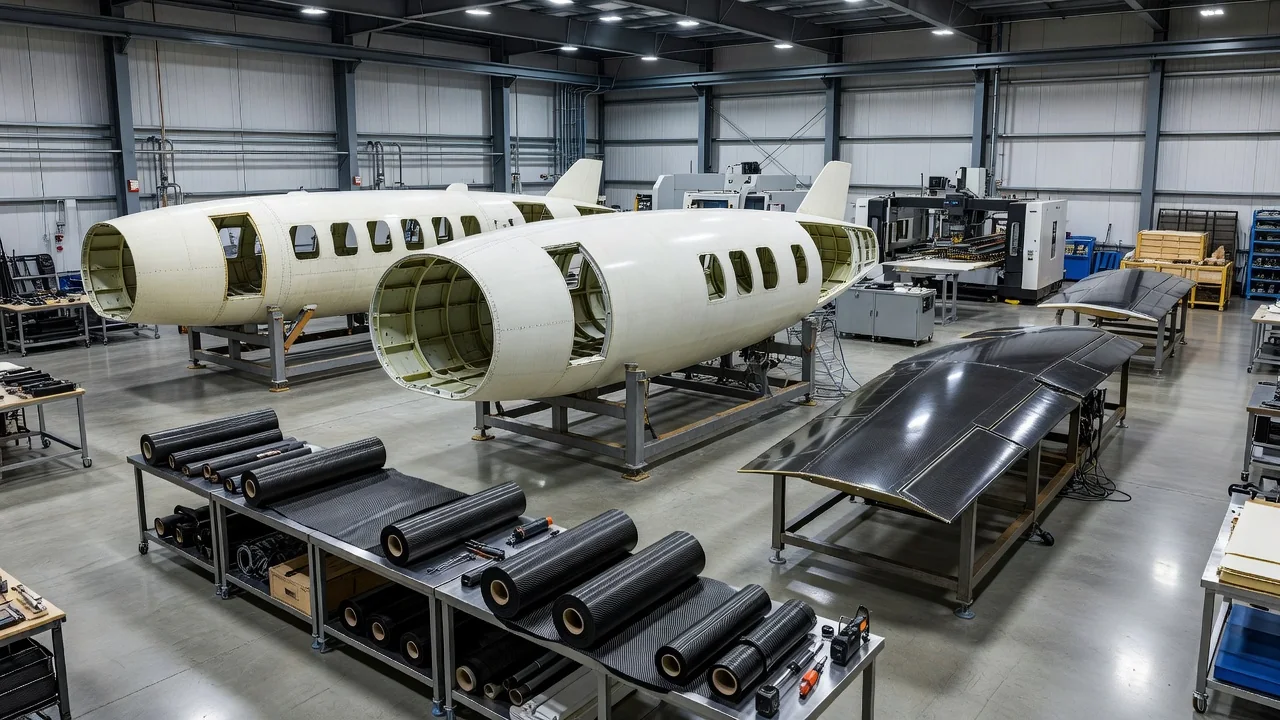
While many ultralight builders of the 1990s still worked with welded steel tubes and Dacron fabric, Fly Synthesis invested early in composite construction. Glass, carbon and Kevlar fabrics are laminated with aerospace resins in the company's own composites department, and the external gelcoat finish becomes an integral part of the structure rather than a layer of paint. The switch — which the Italian aviation press described as "from canvas to carbon" — gave the range its signature smooth aerodynamic surfaces, high strength-to-weight ratio and excellent impact energy absorption compared with aluminium or wooden construction.
The approach paid off in certifications and awards. The Texan Top Class took a "best aircraft" prize in 2005, the Storch amphibian won the Piccola Coppa Schneider seaplane trophy, and the specialized press — from Volare and Aviasport to Vol Moteur and SA Flyer — followed the range across Europe, Australia, Israel, Malaysia and the Americas. The business daily Il Sole 24 Ore profiled the company among the "champions of Made in Italy".
A record at the lowest point on Earth
The brand's most unusual headline came on 23 November 2013, when six Texan aircraft of the Israeli Association of Light Sport Aviation flew in formation along the shore of the Dead Sea at 422 metres below sea level — a Guinness World Record for the lowest-altitude aircraft formation flight. Long-distance adventures are part of the company's culture: a self-built Storch flew from Italy to the North Cape, and ten Texans once toured France together in a single group raid.
The range today
| Model | Layout | Character |
|---|---|---|
| Syncro | Low wing, two seats | The fastest — flagship aerodynamics, Rotax 912 ULS |
| Texan (Club / 600 / Top Class / RG) | Low wing, two seats | The advanced all-rounder, also in retractable-gear form |
| Storch (CL / HS / S) | High wing, two seats | The classic — short take-off, docile handling |
| Catalina NG | Amphibian, two seats | Water and land operations, folding wings |
| New Wallaby 582 | Open airframe | The open-air pure-flying machine, easy kit build |
Fly Synthesis aircraft are sold through a dealer network in Europe, Australia and beyond, supported with manuals, service bulletins and factory assistance. The company also runs a flying school programme at Caposile that has trained disabled pilots — a project the Italian aviation community still cites as a model of accessible flying. Three decades on, the formula has not changed: composite airframes, honest performance and cabins designed around the people inside them.