
Storch CL, HS and S: the short-field classic that flies anywhere
If the Texan is the sprinter of the Fly Synthesis range, the Storch is its all-terrain companion. A two-seat, high-wing, three-axis ultralight with a braced rectangular wing, the Storch was designed to extract short-field performance and docile handling from a light airframe — an aircraft equally at home on a farm strip, a snow-covered meadow or, in its amphibian version, a quiet lake. The name is a nod to the famous Fieseler Storch, and the philosophy is the same: get in and out of places other aircraft cannot.
The structure is deliberately pragmatic. The fuselage is a self-supporting glass-fiber hull stiffened by four frames — the main frame crosses the whole cabin and carries the flight loads of the tail boom, an aluminium-alloy tube of the same grade used for the wing spar. Two gull-wing doors with composite frames and transparent panels give exceptional upward visibility, and the seats are adjustable with quick-release fastenings. All tail surfaces are composite, with a full-travel stabilator that incorporates an anti-servo trim.
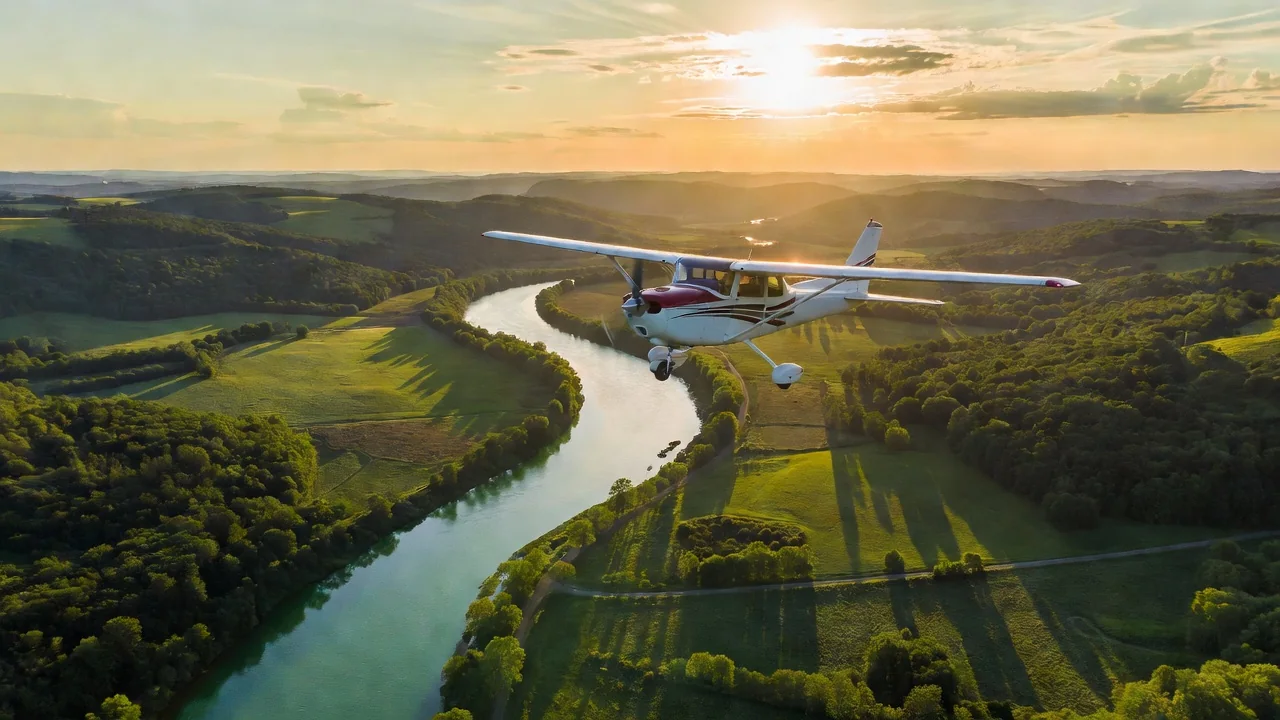
CL, HS and S: three ways to fly slow
| Version | High-lift system | Brakes |
|---|---|---|
| Storch CL | Full-span Junkers-type ailerons with 3-position manual flaperon | Independent drum brakes |
| Storch HS | Full-span ailerons, flaperon system | Independent drum brakes |
| Storch S | Separate electric flaps near the wing root, with analog position indicator | Hydraulic disc brakes (optional on CL/HS) |
The CL and HS versions use a mechanical flaperon system that changes the incidence of the full-span ailerons in flight — the classic recipe for slow, controlled approaches. The S version takes a different route with separate, electrically actuated flaps and a dedicated indicator on the panel. Standard instrumentation on every Storch includes altimeter, airspeed indicator, variometer, turn coordinator and magnetic compass, plus RPM, CHT and EGT engine gauges.
The amphibian and the adventures
The Storch family includes a true amphibian that has collected its share of silverware — it won the Piccola Coppa Schneider seaplane trophy in 2004 — and the line was certified to the strict German LTF standard with the Jabiru engine in 2006. Owners have used the type the way its designers hoped: one amateur-built Storch flew from Italy all the way to the North Cape, and Swedish operators adopted the type for bush flying in the far north.
For pilots who measure a good day in grass runways rather than air miles, the Storch formula still works: honest slow-flight behaviour, a cabin you can actually sit in, and structure that shrugs off years of rough strips.