
Syncro: the retractable flagship of the Fly Synthesis range
The Fly Synthesis Syncro stands as the retractable-gear flagship of the Italian manufacturer’s composite ultralight line. Positioned clearly above the popular Texan and Texan Top models, this low-wing two-seater delivers cruise speeds in the 250-270 km/h range on a Rotax 912 ULS or turbocharged 914 engine. With a maximum takeoff mass of 472.5 kg in the microlight category or up to 600 kg in LSA trim, the Syncro blends Italian craftsmanship with modern performance. Its carbon-Kevlar-glass safety cell fuselage, shared with the Texan family, provides exceptional crashworthiness while keeping empty weight low enough for respectable payload.
Pilots upgrading from fixed-gear ultralights often choose the Syncro for its crisp handling and efficient long-range capability. The aircraft features an electrically actuated retractable landing gear, a constant-speed variable-pitch propeller, and optional glass cockpit packages from Garmin or Dynon. At typical cruise settings the Rotax 912 ULS burns 18-22 liters per hour, giving the Syncro a practical range exceeding 1,000 km with reserves. Owners report that the extra complexity is worth the speed when covering distances between European airfields such as those in the Alps or along the Adriatic coast.
Design Philosophy and Construction
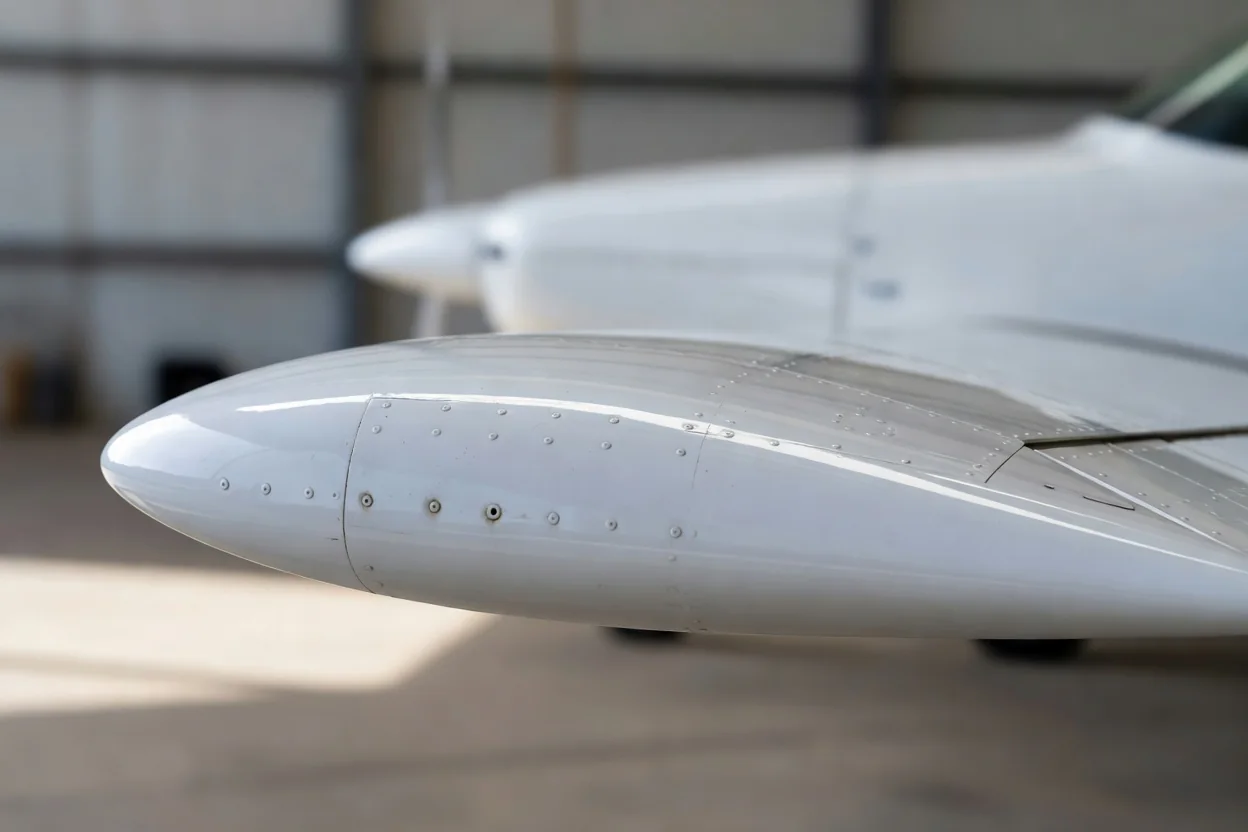
The Syncro employs the same carbon-Kevlar-glass safety cell structure pioneered in the Texan series. This composite sandwich fuselage surrounds the cockpit with energy-absorbing layers that have demonstrated superior performance in documented crash tests. The low-wing configuration provides excellent visibility and stable handling at high cruise speeds of 260 km/h true airspeed. Builders at the Italian factory near Varese lay up each airframe with precise autoclave curing, resulting in surface finishes that rival certified aircraft. The one-piece wing spar carries both fuel tanks and the main landing gear pivot points.
Engine and Performance Numbers
Most Syncro aircraft fly behind the Rotax 912 ULS producing 100 hp at 5,800 rpm with a 2,000-hour TBO. The optional Rotax 914 turbo variant delivers 115 hp up to 15,000 feet, pushing cruise to 270 km/h while maintaining fuel economy around 20 liters per hour. Approach speed is flown at 1.3 times stall speed, typically 85 km/h in the clean configuration. With full fuel and two 80 kg occupants, the Syncro still offers 50 kg of baggage capacity. Climb rate exceeds 1,200 feet per minute at sea level on the normally aspirated engine.
Equipment and Cockpit Options
Standard equipment includes an electric constant-speed propeller from MT or Hoffmann that fine-tunes blade angle for best efficiency across the 220-270 km/h speed band. Glass cockpit choices range from the Garmin G3X Touch suite to simpler Dynon SkyView systems, both fully integrated with the Rotax engine monitoring. Dual USB ports, LED nav lights, and a composite three-blade propeller are now factory standard. The retractable gear cycle takes 8 seconds and is backed by a mechanical uplock system that has proven reliable in over a decade of European operations.
Who Buys the Syncro and Why
Typical Syncro owners are experienced pilots moving up from fixed-gear Texan or similar ultralights after accumulating 300-500 hours. They value the aircraft’s ability to cover 800 km legs comfortably at 250 km/h while staying within microlight regulations in most European countries. Many are based at paved airfields in northern Italy, Germany, and France where the retractable gear’s speed advantage shines. The aircraft appeals to those who enjoy both touring and occasional aerobatic maneuvers within the permitted g-limits of +4.4 / -2.2.
Risks, Limits and Common Mistakes
The retractable landing gear introduces higher insurance premiums and requires disciplined maintenance. Owners must strictly follow the 100-hour gear inspection schedule to avoid costly pivot wear. A common mistake is landing on unprepared grass strips where the narrow wheel track and low propeller clearance can lead to prop strikes. The Syncro’s higher approach speed of 85 km/h demands precise energy management on short runways under 600 meters. Pilots transitioning from fixed-gear ultralights sometimes forget to extend the gear, although the factory now offers both aural and visual warnings. Operating near the 472.5 kg microlight limit reduces useful load dramatically in hot weather.
- The Syncro cruises comfortably at 255 km/h on 21 liters per hour with the Rotax 912 ULS.
- Its carbon-Kevlar safety cell provides impact protection comparable to much heavier aircraft.
- Variable-pitch propeller allows efficient climb and cruise across a wide speed range.
- Maintenance of the retractable gear adds roughly 25 percent to hourly operating costs.
- Grass-strip capability is limited compared with the fixed-gear Texan models.
- Glass cockpit integration with Rotax ECU data simplifies engine management in flight.
| Parameter | Syncro 912 | Syncro 914 | Texan Fixed |
|---|---|---|---|
| Cruise km/h | 255 | 270 | 210 |
| Fuel burn l/h | 21 | 23 | 18 |
| MTOW kg | 472.5 | 472.5 | 472.5 |
| Gear type | retractable | retractable | fixed |
| Approach km/h | 85 | 88 | 78 |
| Hourly cost € | 85 | 95 | 65 |
Operating Costs in Perspective
Direct operating cost for a well-maintained Syncro equipped with the Rotax 912 ULS runs approximately 85 euros per hour including fuel, oil, reserves for propeller overhaul, and annual gear inspections. Insurance for an experienced owner with 500 hours on type typically falls between 1,800 and 2,500 euros annually in Italy. Hangar fees at paved fields add another 1,200 euros per year. Compared with the fixed-gear Texan, the Syncro costs about 30 percent more to operate but delivers 20 percent higher true airspeed on long trips.
The Syncro remains a rewarding step-up aircraft for pilots who prioritize speed and efficiency over rough-field versatility. Its blend of composite safety cell technology, modern avionics, and Italian attention to detail continues to satisfy owners who fly it regularly across Europe.